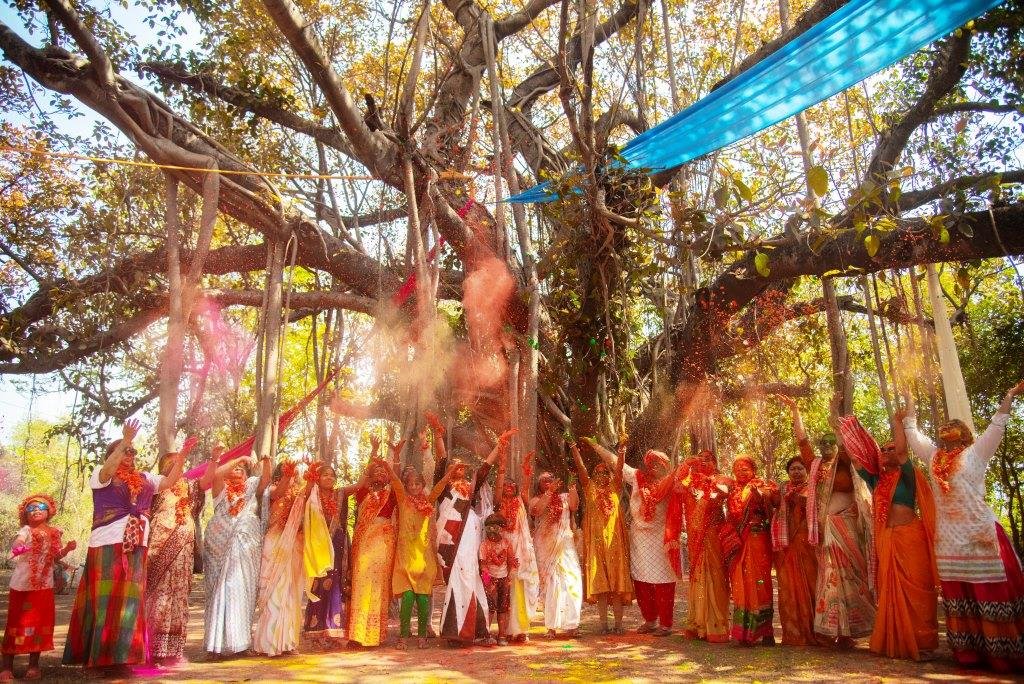
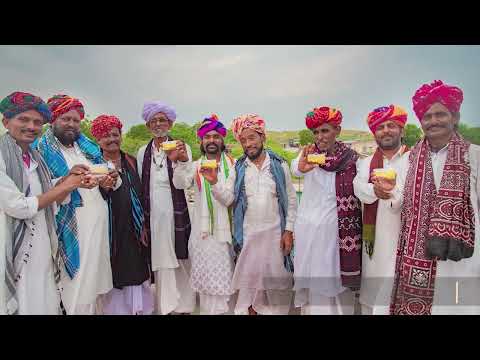
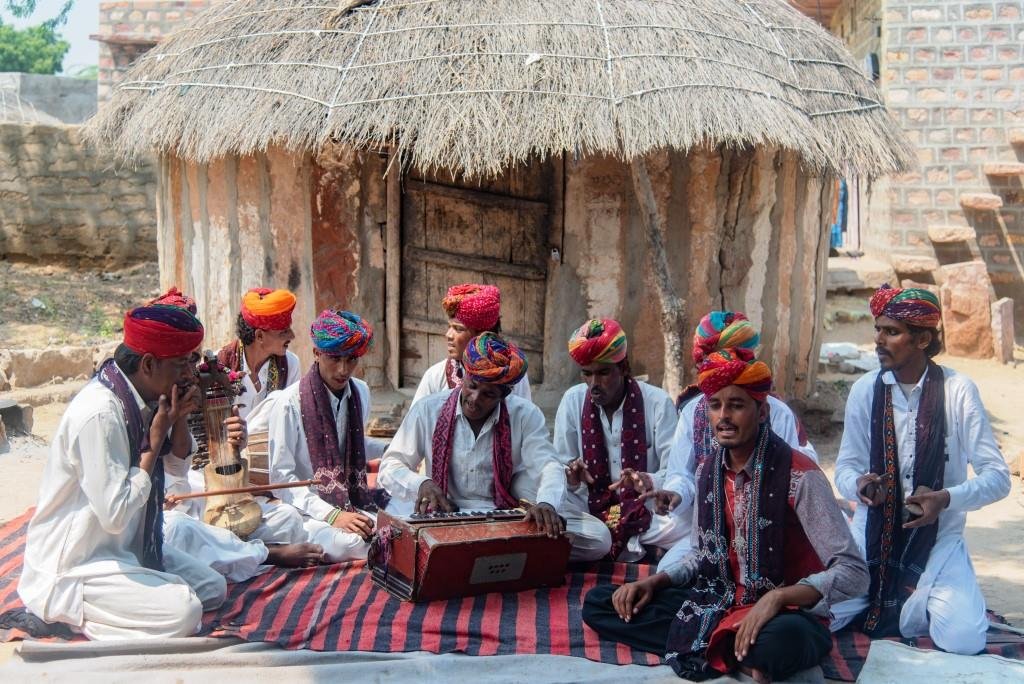
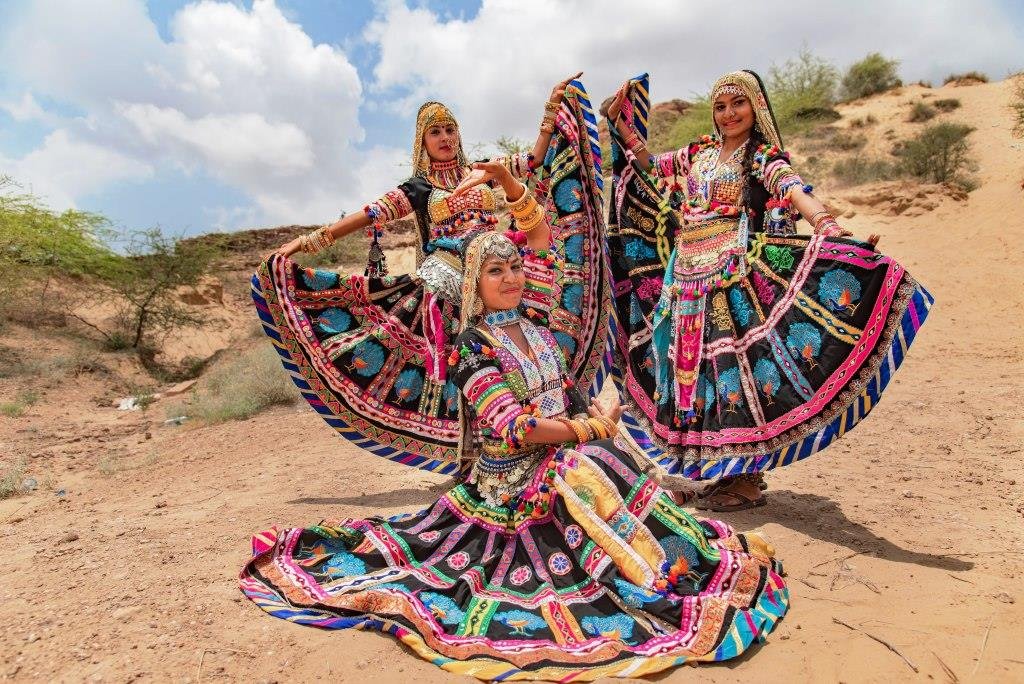
Discover India’s vibrant living heritages—where timeless art, craft, music, and community traditions continue to thrive. Immerse yourself in authentic cultural experiences, explore practices passed down through generations, and witness the creativity and spirit that reflect the true heart of India.
Explore
About TourEast
Experience Living Heritage of Rural India
This is a banglanatak dot com initiative to develop responsible cultural tourism.
🎭
Traditional Arts & Crafts
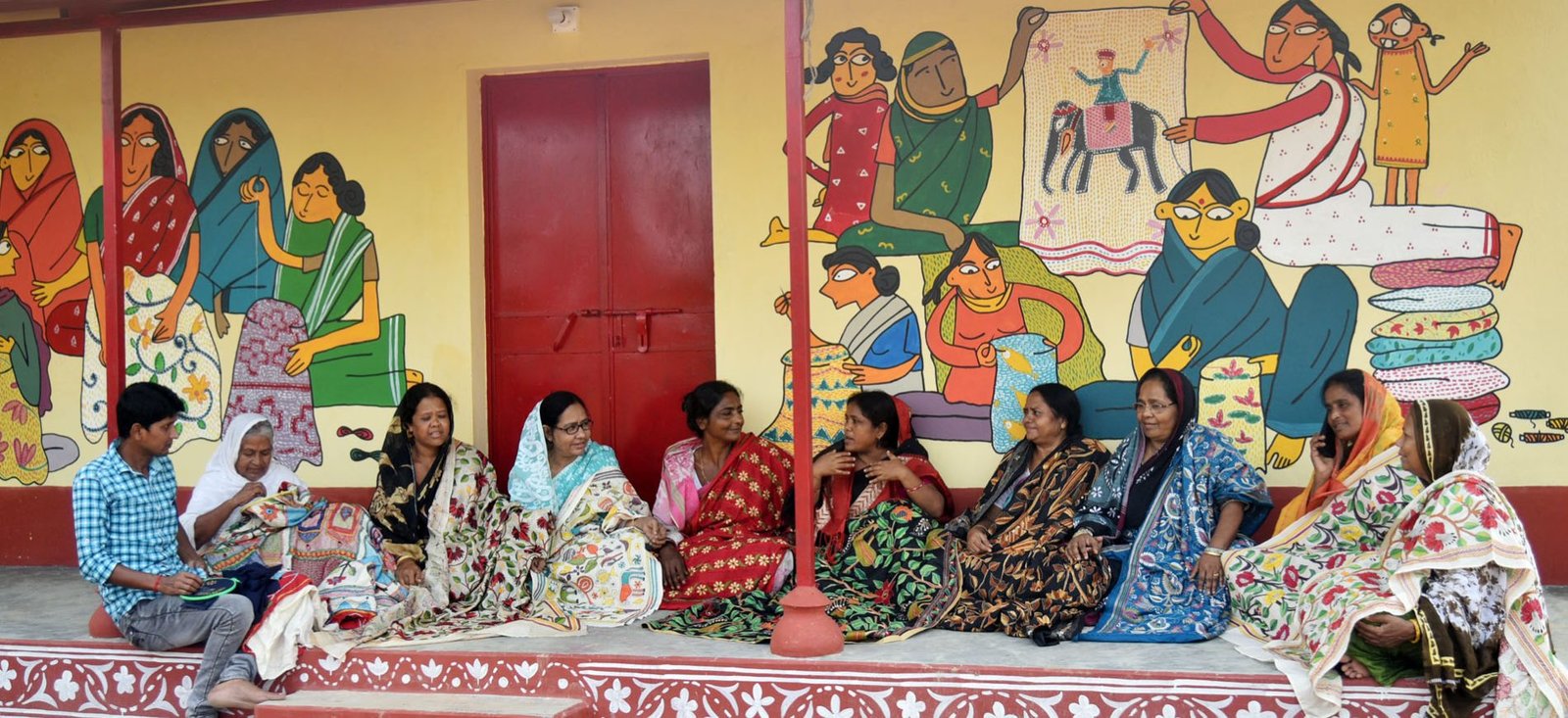
Hands-on residencies and workshops preserve traditional arts and crafts by connecting skilled artists with communities through live demonstrations and collaborative creation.
🌿
Performing Arts & Oral Traditions
Artist residencies in music, dance, and storytelling foster cultural exchange and celebrate living traditions through collaborative and cross-cultural learning.
🗺️
Festivals Celebrating Cultural Heritage
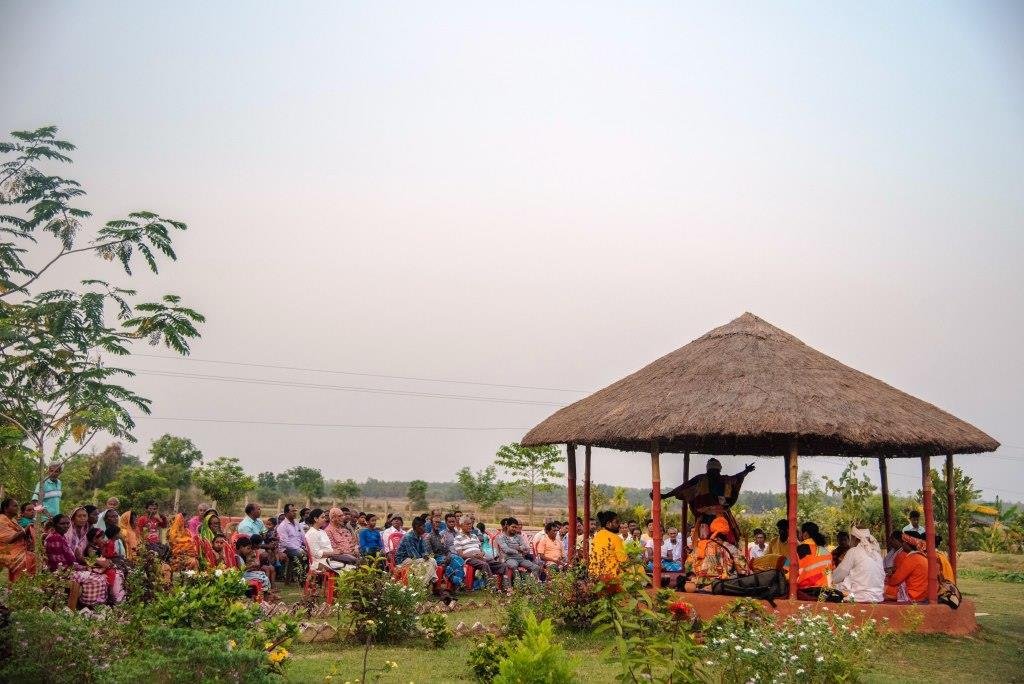
Community-led village festivals showcase local art and artists while strengthening cultural pride and promoting rural destinations.
✨
Community Museum
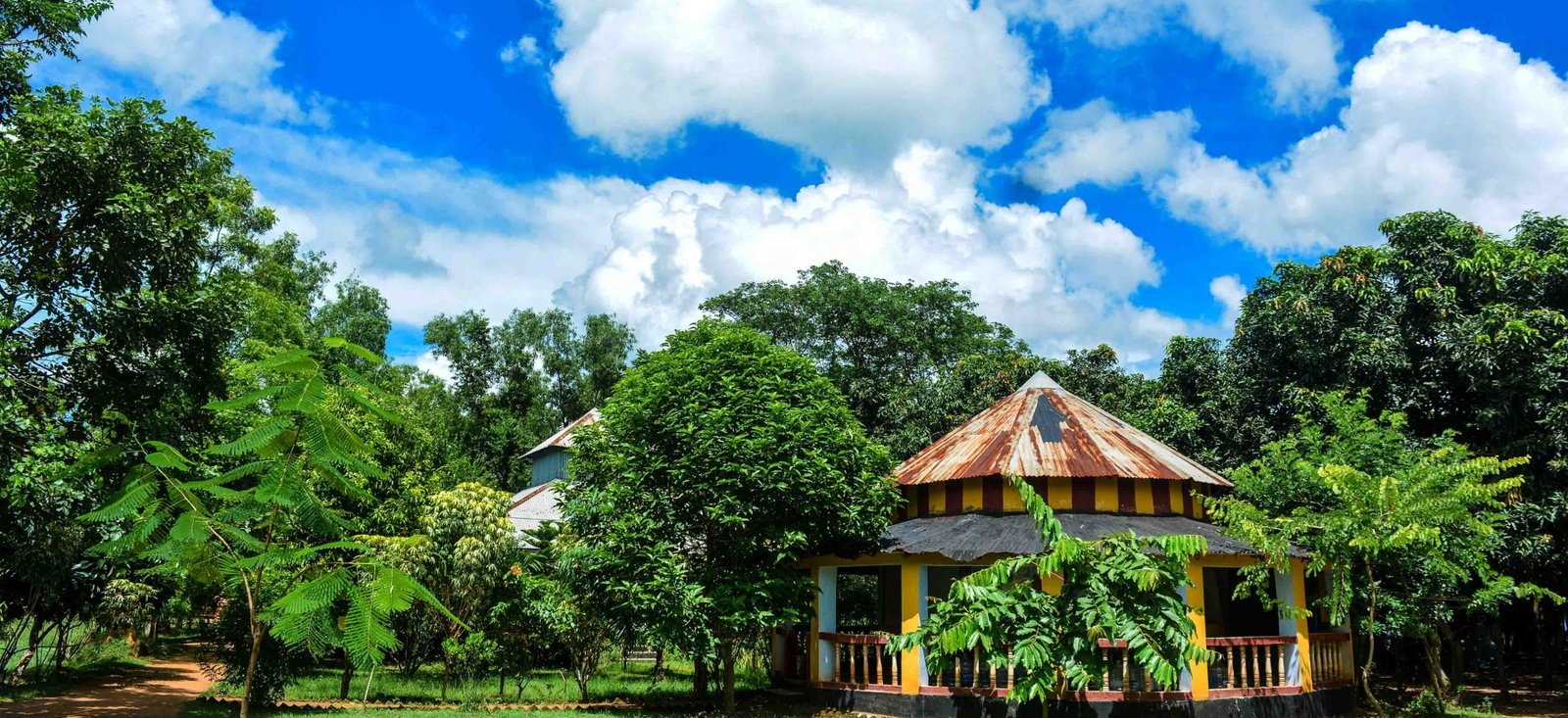
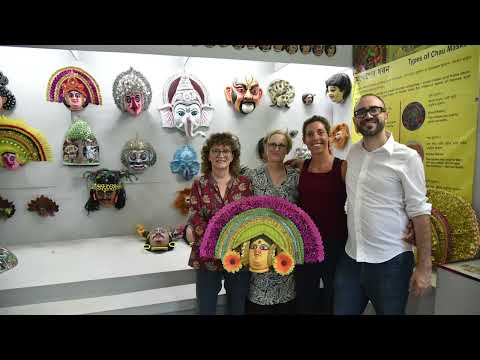
A community-curated museum serves as a living heritage hub that preserves and showcases local art, craft, and cultural identity.
Upcoming Events
Join us in celebrating India's rich cultural heritage through festivals, tours, and special experiences
30OCT2026
Festival
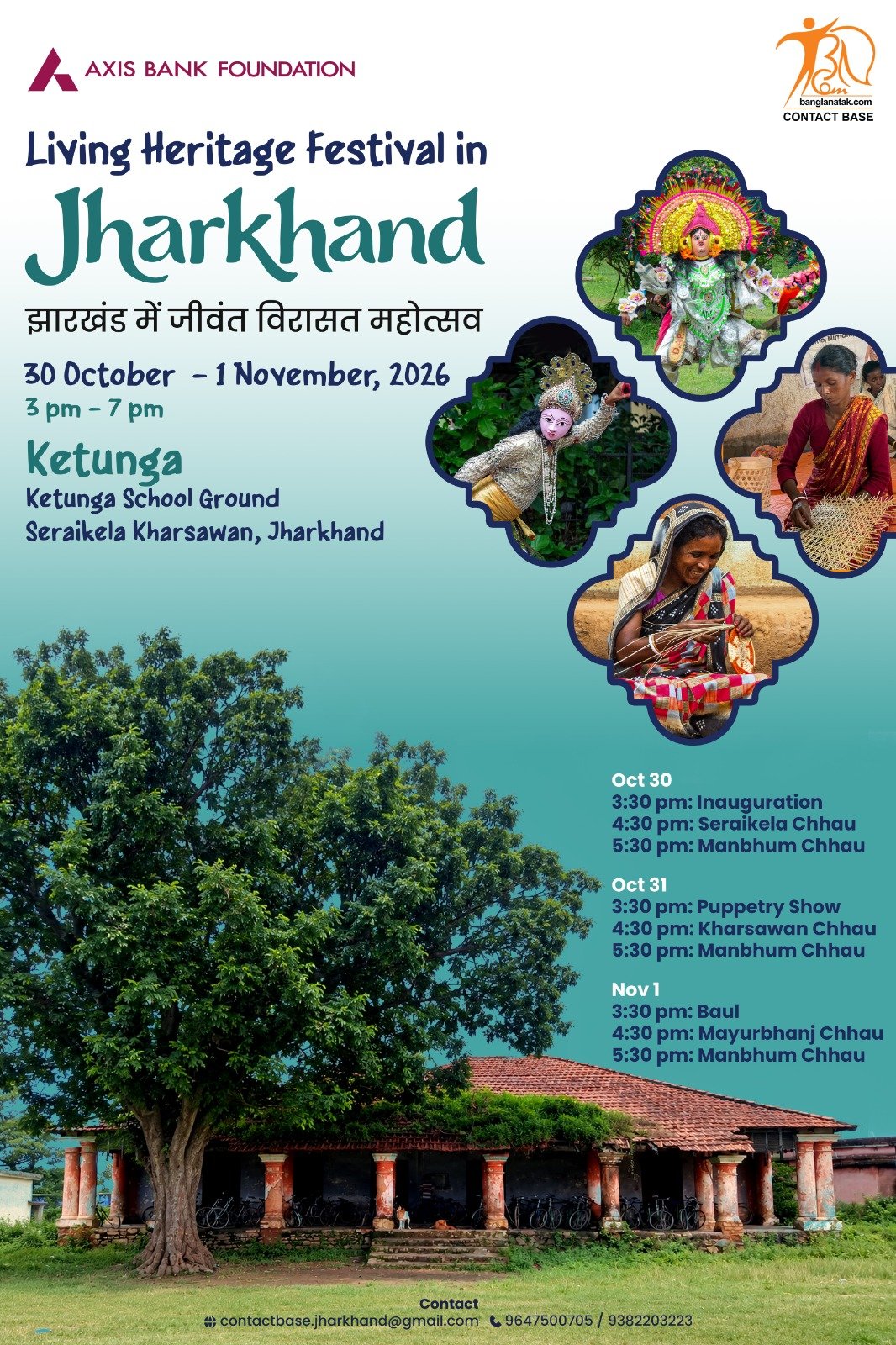
Living Heritage Festival in Jharkhand 2026
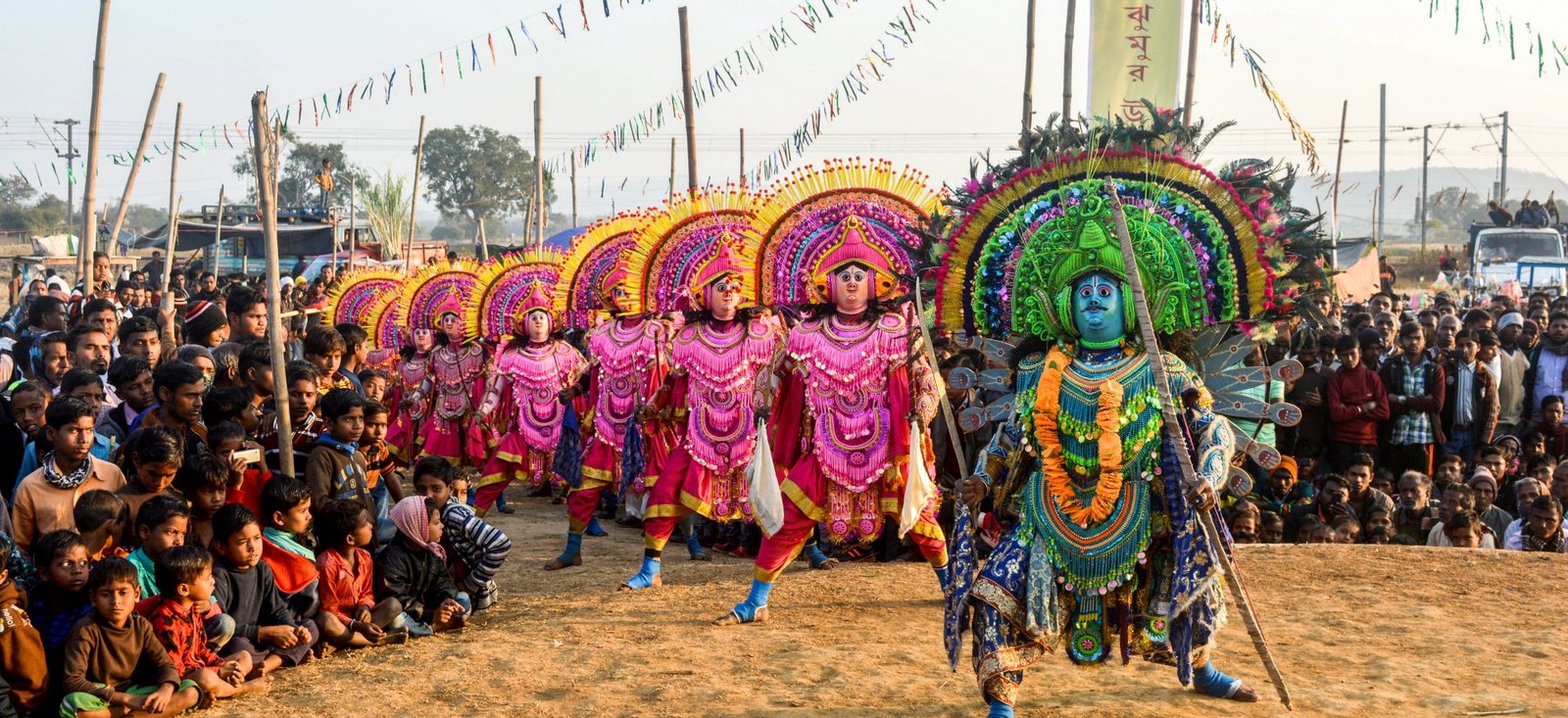
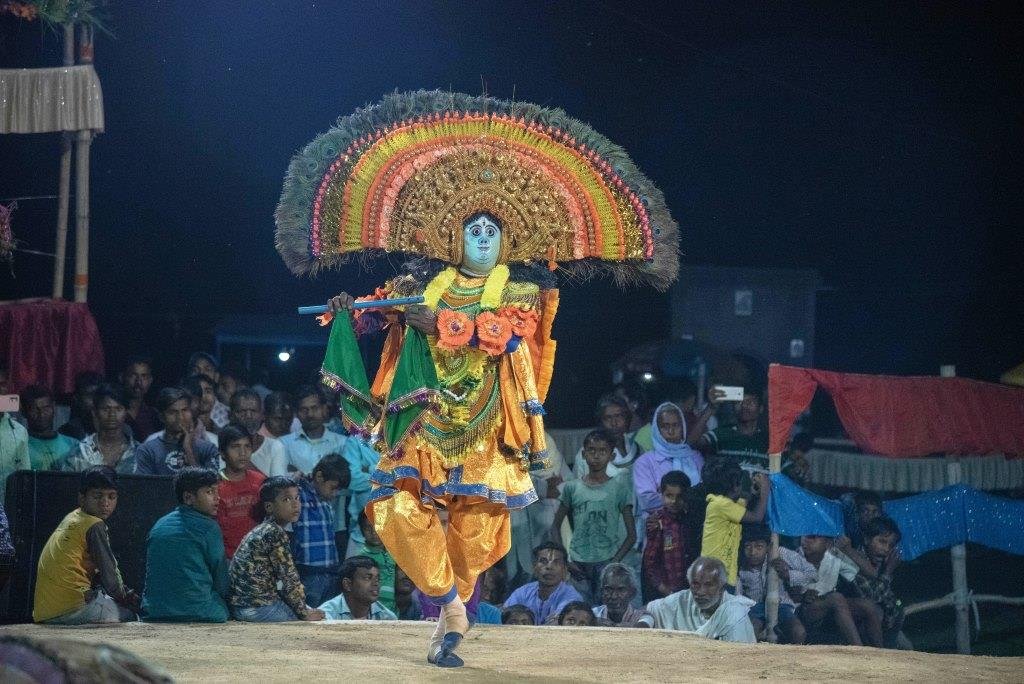
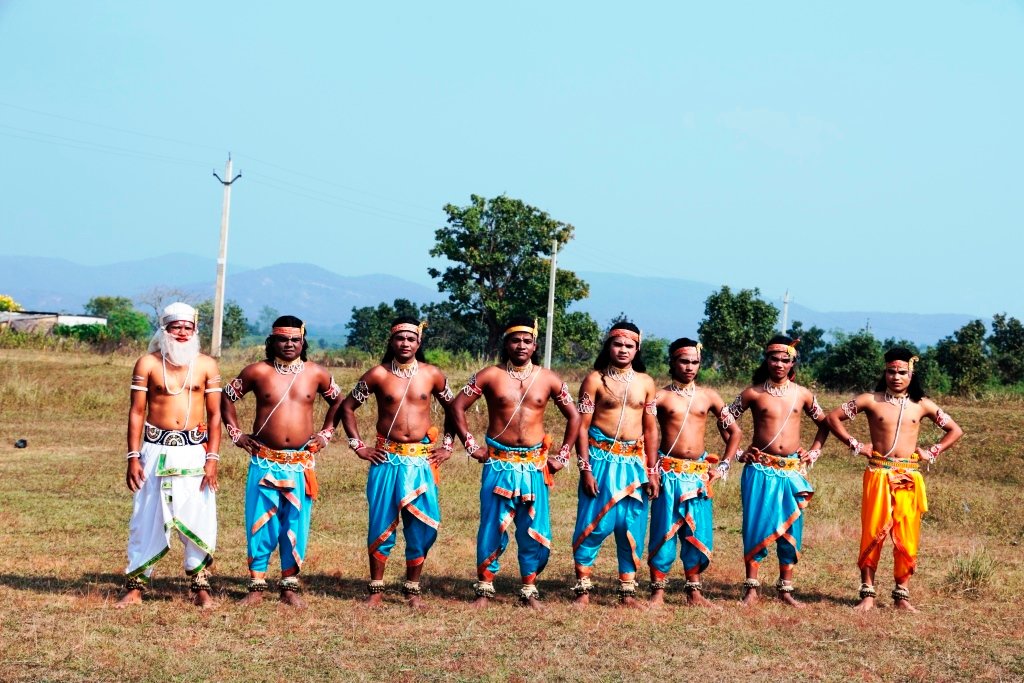
Experience the vibrant living heritage of Jharkhand at the Living Heritage Festival, a celebration of traditional performing arts, puppetry, crafts and community traditions from the region. The festival will bring together Seraikela Chhau, Kharsawan Chhau, Manbhum Chhau, Mayurbhanj Chhau, Baul and puppetry performances, along with traditional handicrafts and local cultural expressions.
📍Ketunga School Ground, Ketunga, Seraikela Kharsawan, Jharkhand
⏱3
20NOV2026
Festival
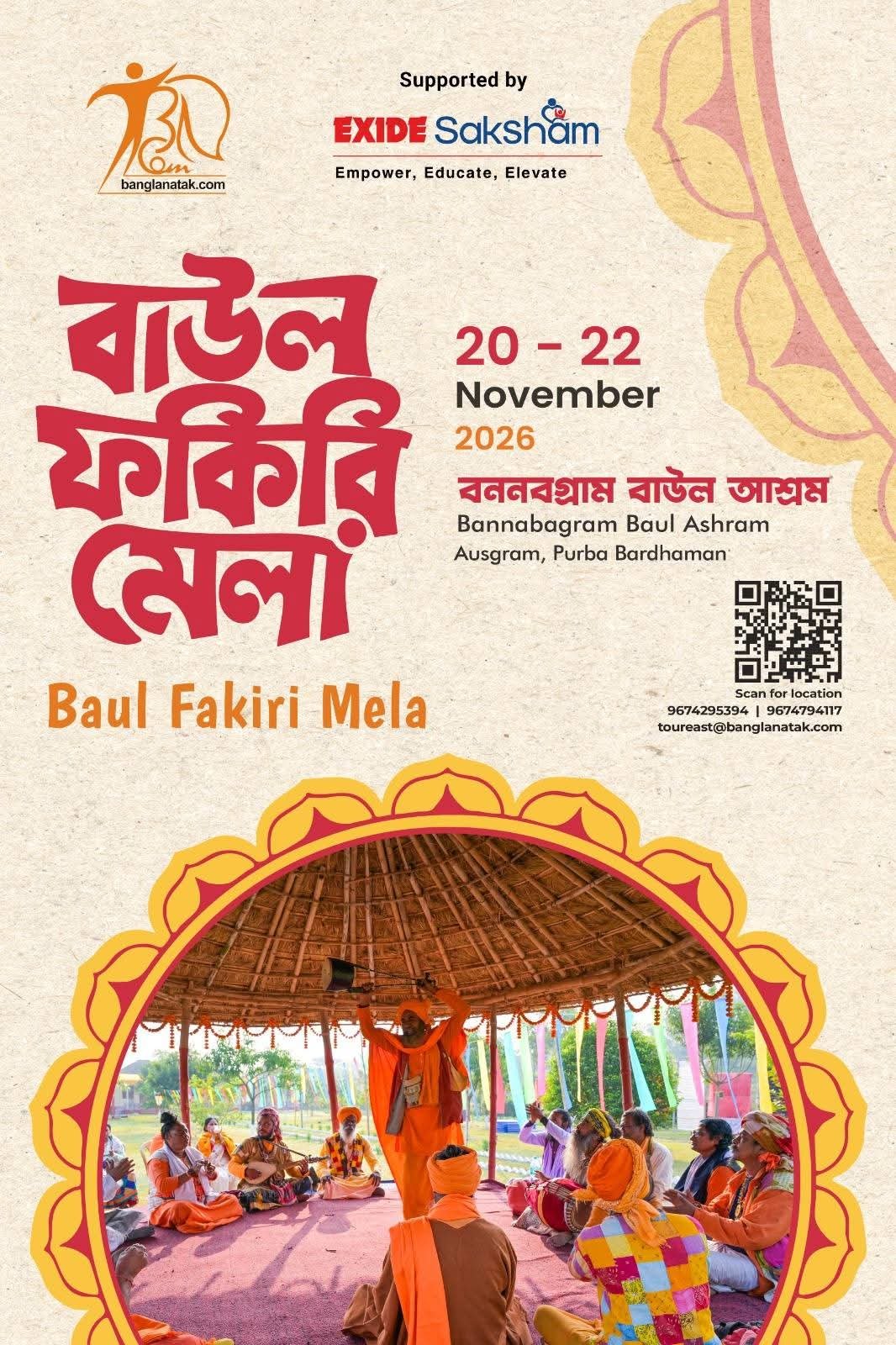
Baul Fakiri Mela 2026
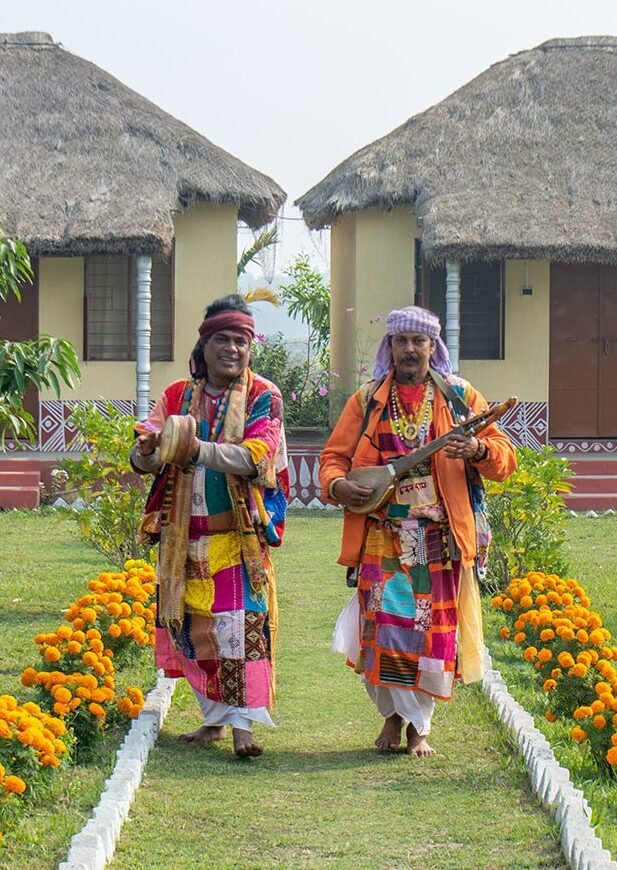
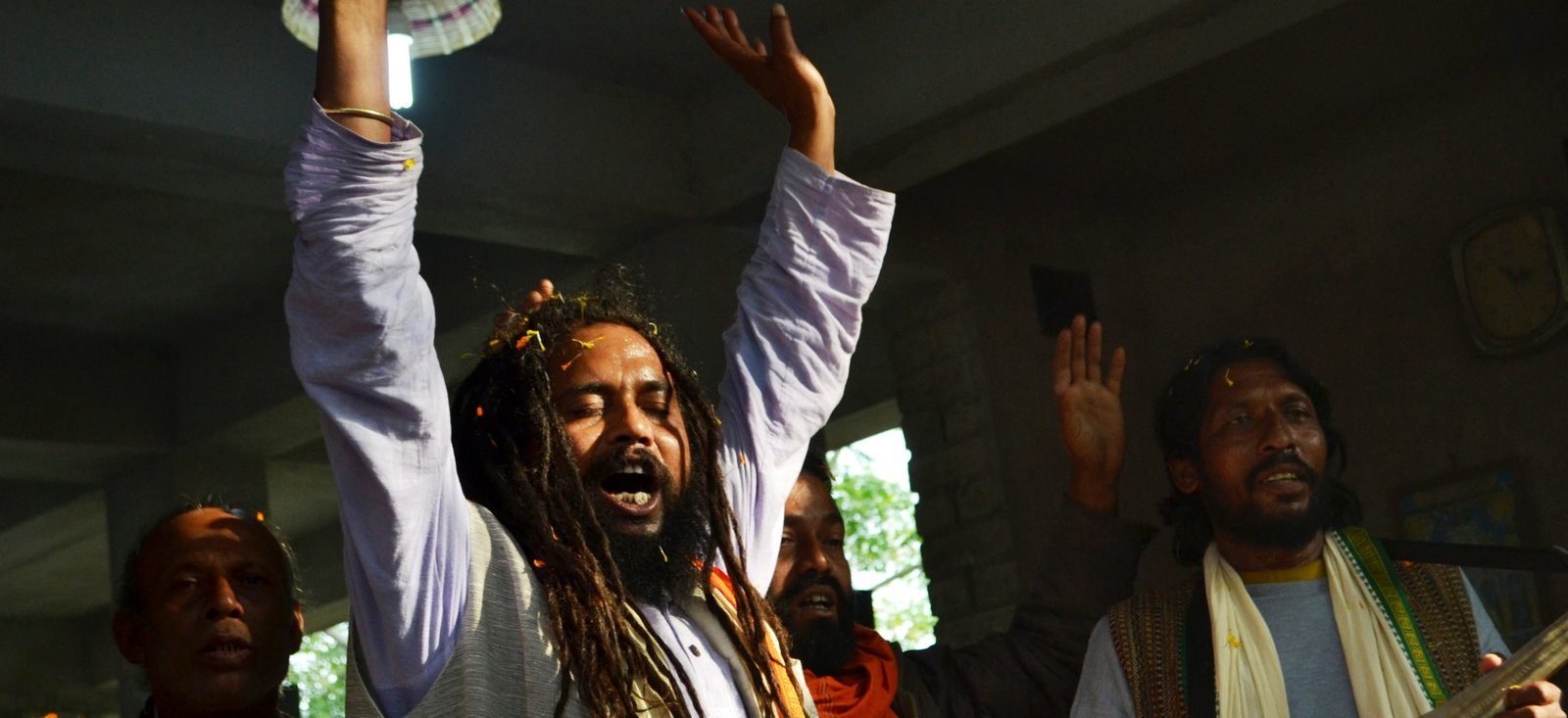
Experience the soulful traditions of Bengal at the Baul Fakiri Mela, a celebration of Baul music, Fakiri traditions, spiritual expression and the rich cultural heritage of rural Bengal. Held at Bannabagram Baul Ashram, Ausgram, Purba Bardhaman, from 20–22 November 2026
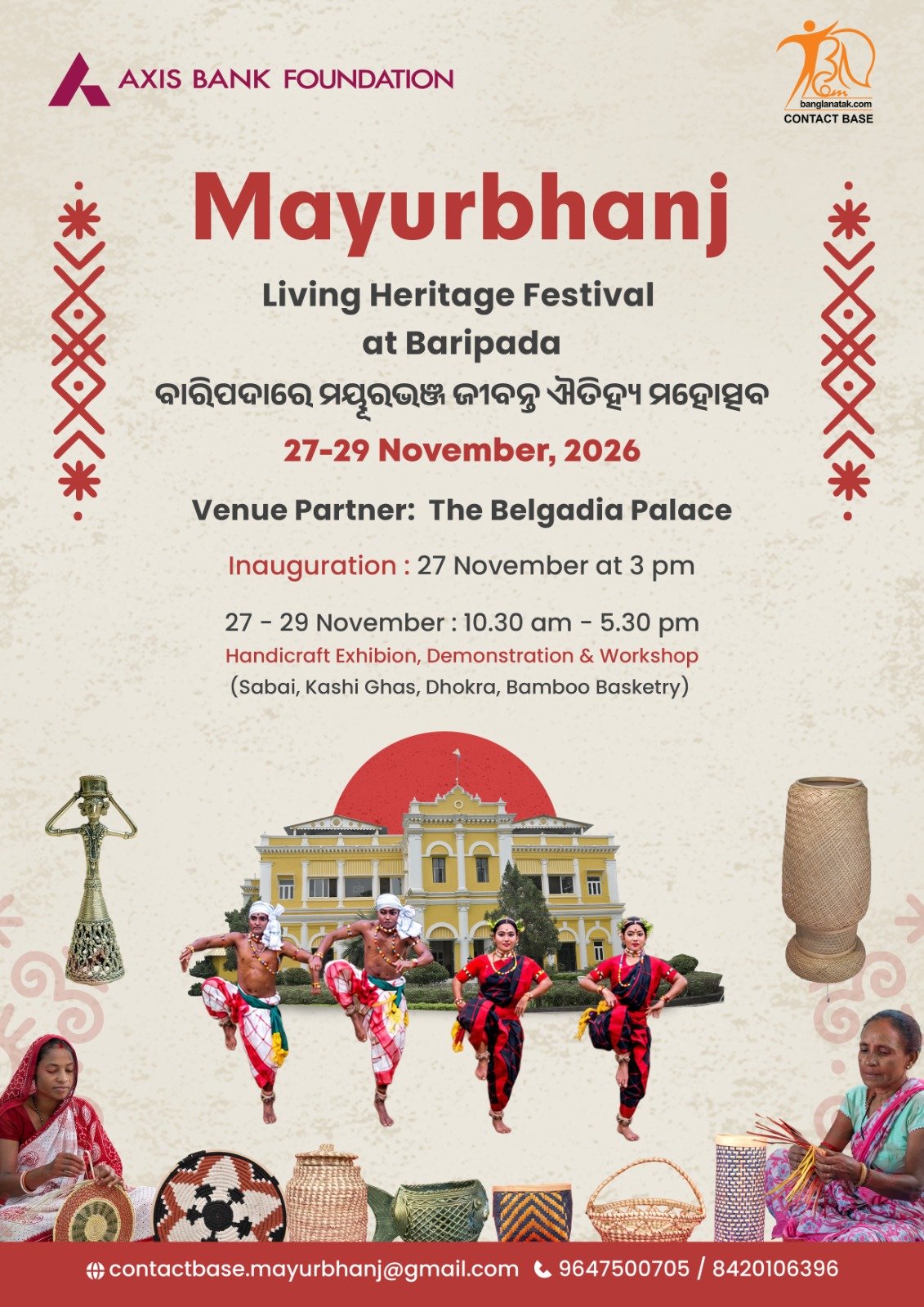
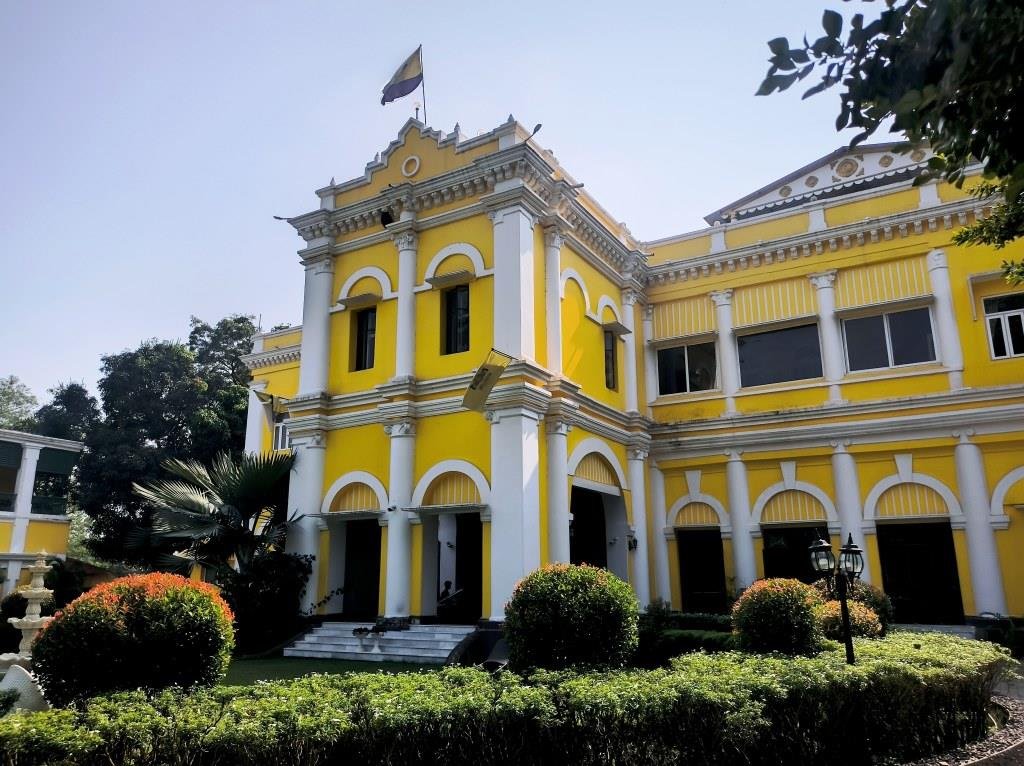
Mayurbhanj Living Heritage Festival 2026 will be held from 27–29 November 2026 at The Belgadia Palace, Baripada, celebrating the rich living heritage of Mayurbhanj through handicraft exhibitions, demonstrations, workshops and Mayurbhanj Chhau performances.
Visitors can explore traditional crafts including Sabai, Kashi Ghas, Dhokra and Bamboo Basketry, meet artists and experience the distinctive energy of Mayurbhanj Chhau.
Each state tells a unique story of heritage, culture, and natural splendor
Where Culture Comes Alive
West Bengal
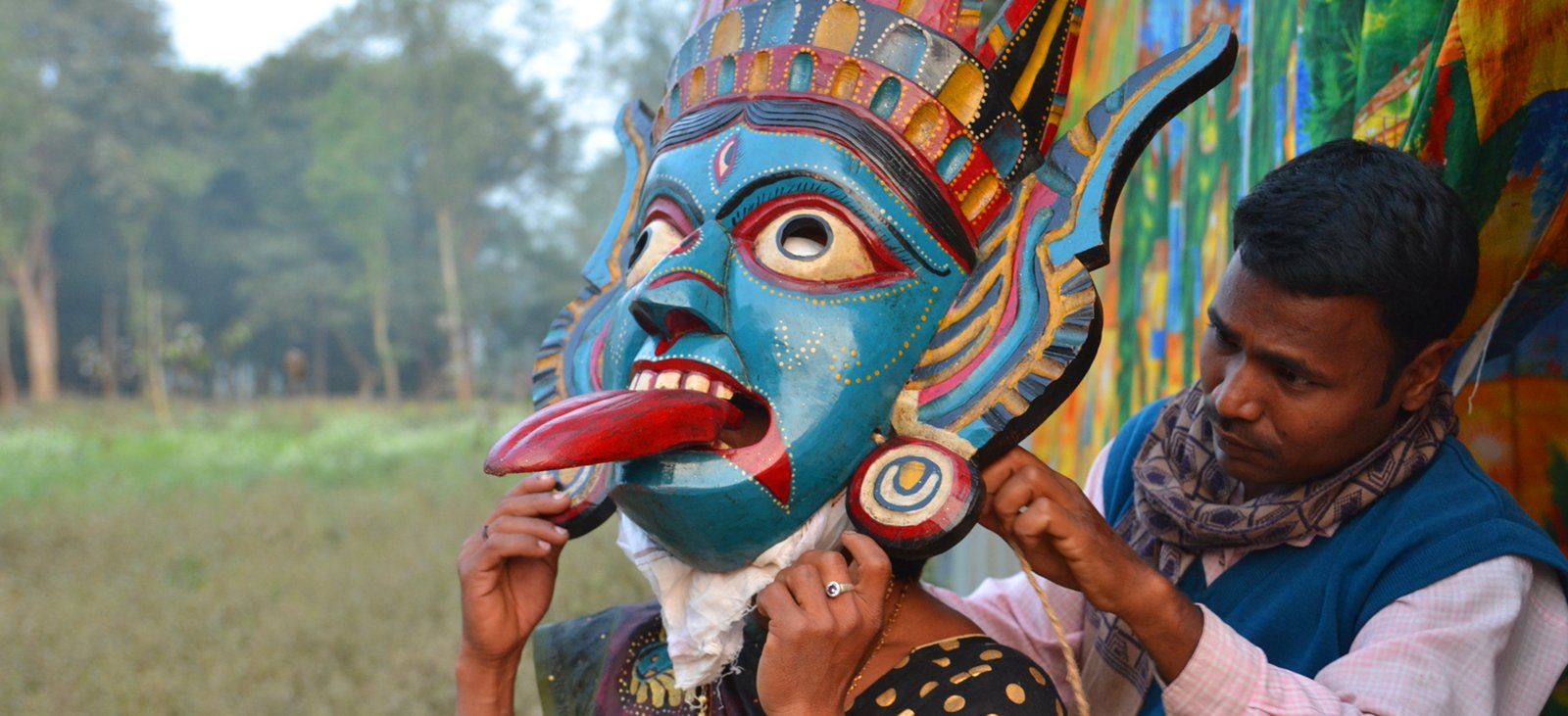
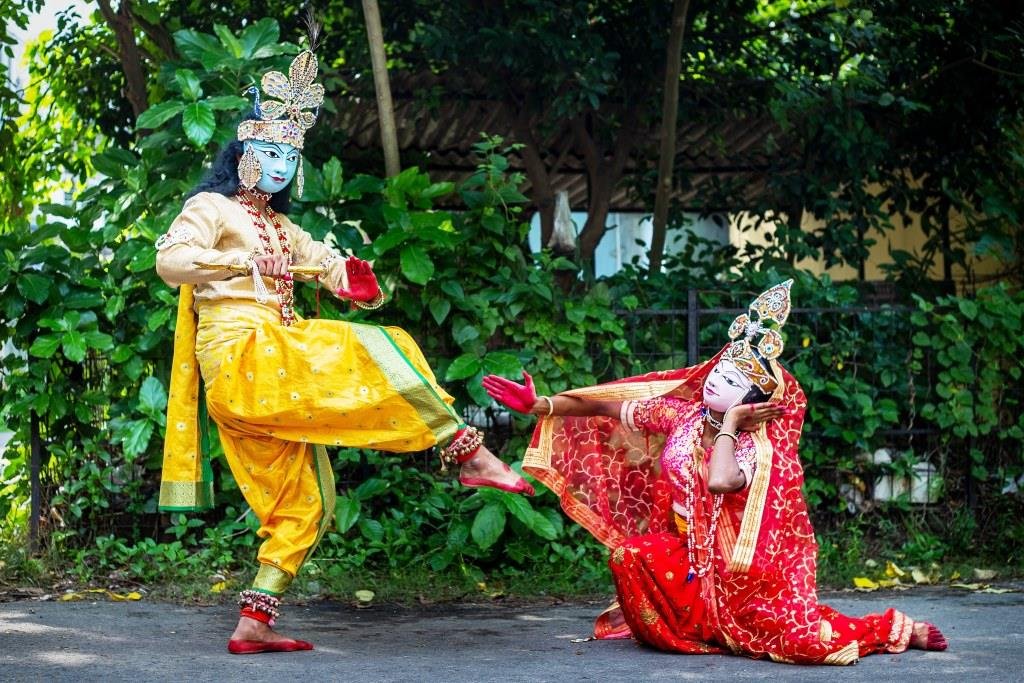
From the mist-covered hills of the north to the shifting waters of the Sundarbans delta, West Bengal unfolds as a vibrant cultural landscape shaped by diversity and living traditions. Birbhum, Nadia, and Purba Bardhaman region echoes with the soulful, philosophical melodies of Baul music inscribed in UNESCO representative list. Learn about GI registered products like Kantha embroidery at Nanoor and Ausgram, Dhokra at Bikna and Dariyapur, Chhau mask at Charida, Wooden mask at Kushmandi, Patachitra scrolls in Purba and Paschim Medinipur, Birbhum, Bankura and Purulia. The dynamic, masked movements of Purulia Chhau (also inscribed by UNESCO) bring myth and legend to life, while natural fibre crafts reflect enduring relationships with land and material. Ghugumari is hub of another UNESCO inscribed ICH - Sitalpati (Bangladesh).
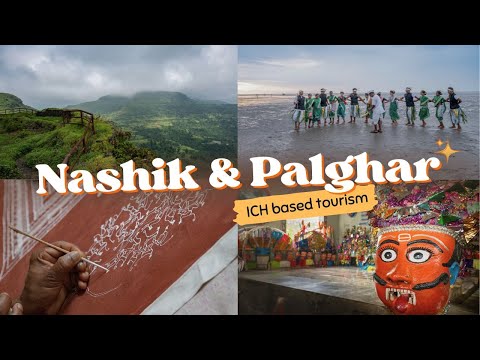
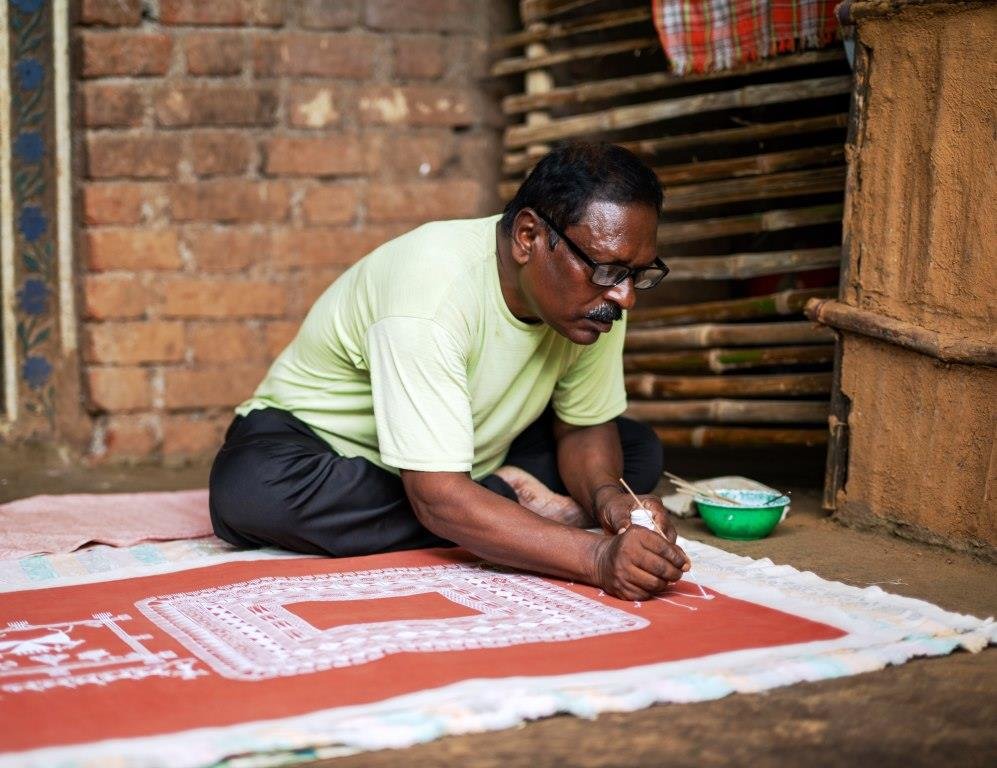
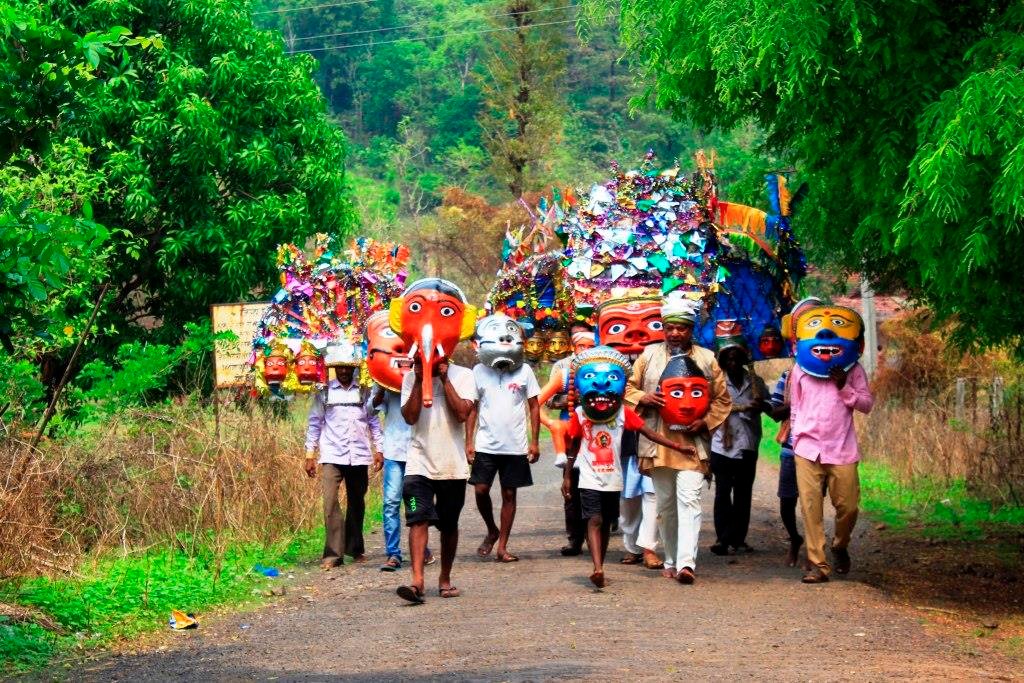
Maharashtra’s cultural destinations offer immersive journeys into living heritage, where landscapes, communities, and creative traditions come together to shape authentic travel experiences. Palghar stands out for its rich Indigenous cultures and art forms, including GI registered Warli painting, bamboo craft, and Bohada mask-making, rooted in the everyday lives of Warli, Thakar, and Kokna communities. From forested interiors and historic forts to coastal villages, Chikoo orchards (GI registered), and Parsi heritage, Palghar is animated by vibrant folk songs and dance traditions that continue to thrive across villages. In Nashik, the tribal region of Surgana, nestled in the UNESCO-recognised Western Ghats, offers a dramatic natural setting alongside living traditions such as Bohada mask-making, a rich array of folk music and dance, the historic Maratha Forts (inscribed as World Heritage), Sakhalchond waterfall, and the Tatapani hot spring, making it a distinctive cultural tourism destination.
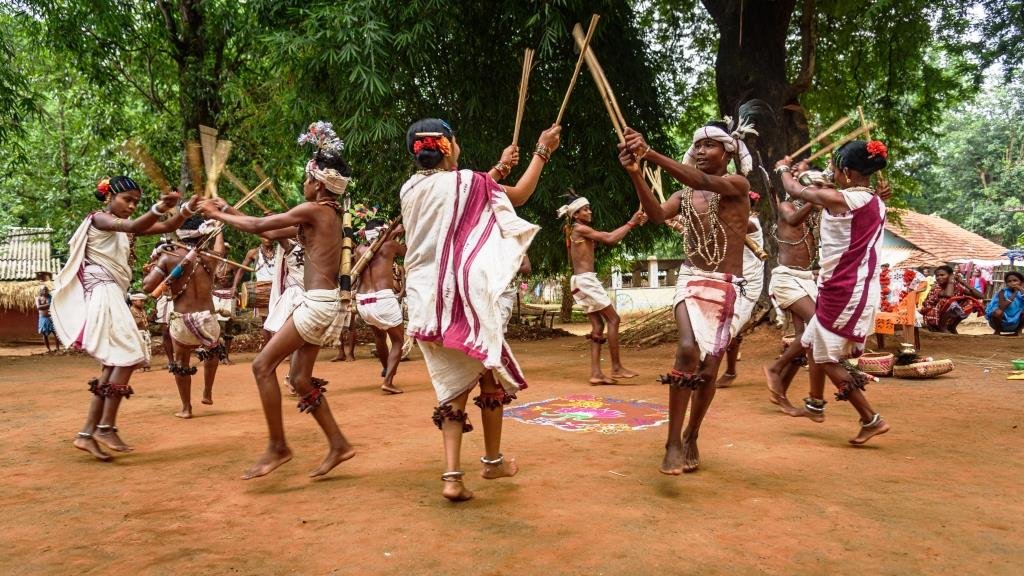
Odisha offers a vibrant journey through living indigenous cultures, sacred architecture, and timeless crafts. Experience the untamed flavour of tribal India, spend a day connecting with nature, rituals, forgotten flavours, and the unbridled joy of indigenous communities. Across the Eastern Ghats, Odisha’s villages offer an immersive experience of culture, ecology, and heritage .Breathe in misty air, explore lush valleys, and witness gentle streams cascading down cliffs, creating mesmerizing waterfalls that harmonize with the rhythms of indigenous life.
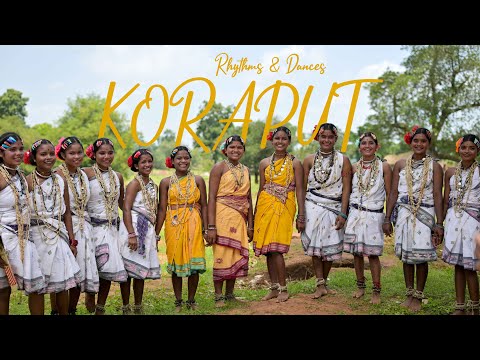
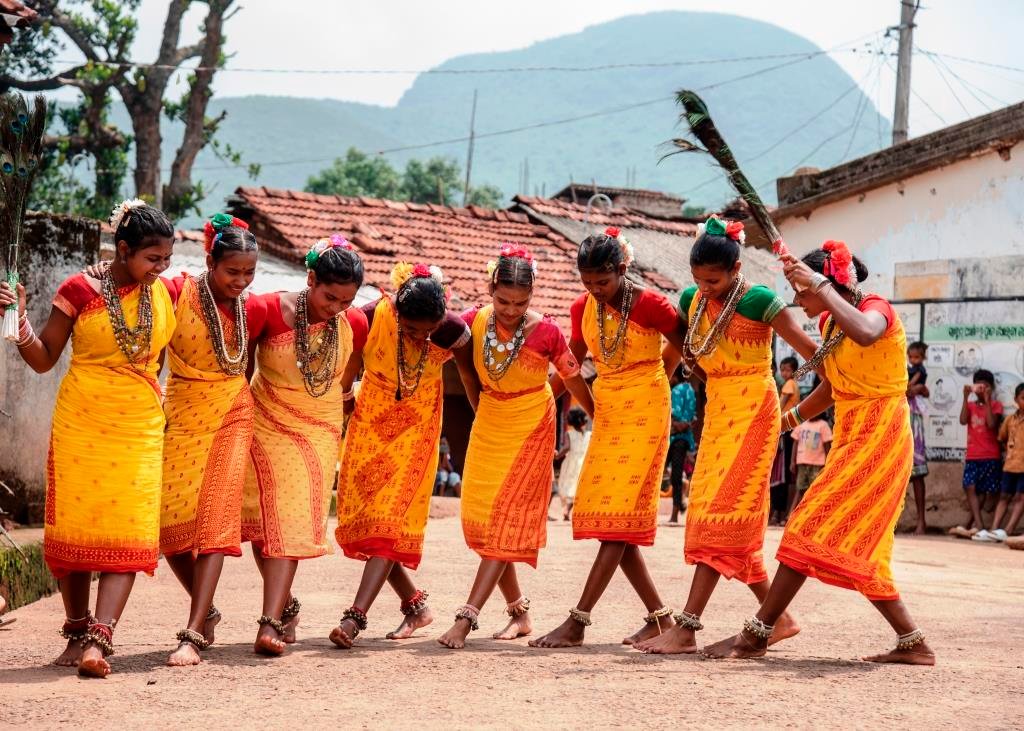
Koraput, a hidden gem nestled in the majestic Eastern Ghats, is a traveller's paradise. In Koraput, communities such as the Gadaba, Paroja, Durua, Bhatra and Kandha sustain biodiverse farming traditions recognised under the Globally Important Agricultural Heritage Systems (GIAHS). The GI-certified Kotpad weaving—Odisha’s first GI tag—by the Mirgan community reflects rich natural dye traditions. Immerse in vibrant tribal culture, ancient melodies, and traditional dances by people adorning colorful Kerang.
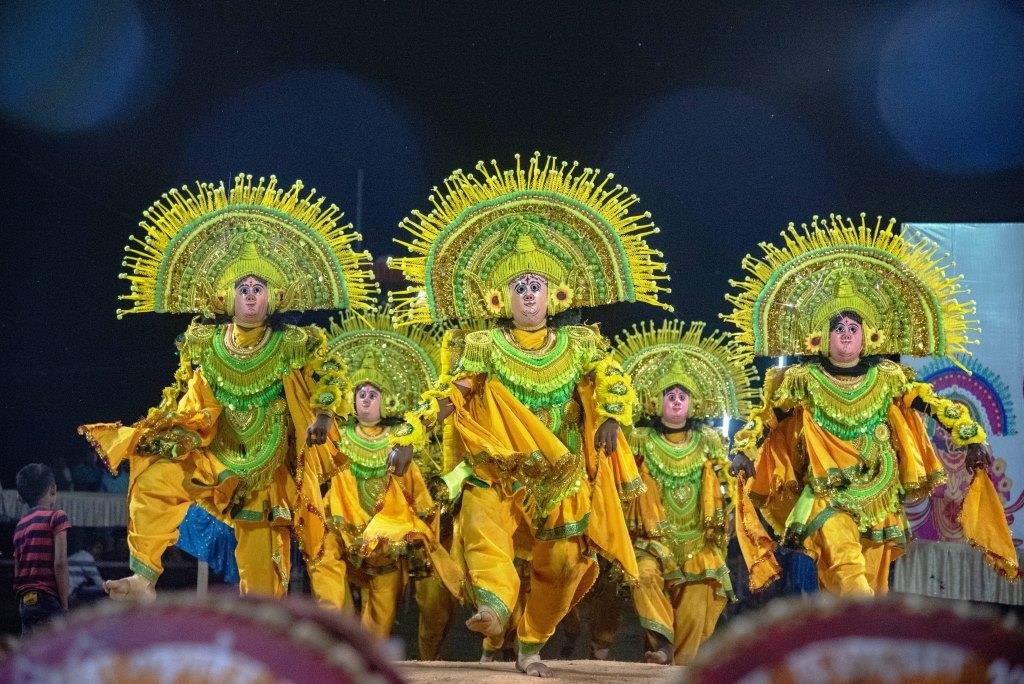
Mayurbhanj is renowned for its dynamic mask-less Chhau dance, where powerful martial movements and storytelling come alive without masks, as well as for intricate Sabai grass crafts (GI registered) and traditional Dhokra metalwork.
Jharkhand welcomes travellers into a living landscape of tribal heritage, where time-honoured traditions continue to shape everyday life, identity, and collective memory. Its forested terrains and indigenous communities nurture vibrant cultural practices, with knowledge deeply rooted in nature and ritual. Seraikela- Kharsawan stands out as the only district where visitors can experience multiple variants of Chhau - Manbhum Chhau, Seraikela Chhau, and Kharsawan Chhau - within a single cultural region. Alongside these performance traditions, natural fibre crafts such as Sabai and Kashi grass weaving and finely crafted bamboo basketry reflect a way of life grounded in ecological balance and shared artistry. Embedded within tribal villages and cultural centres, Jharkhand’s living traditions invite visitors to witness heritage as it is performed, practised, and passed on across generations.
Rajasthan invites travellers into a vivid world of living culture,. We welcome you to the desert regions in the west and enjoy forts and palaces along with Manganiyar music, Pokaran pottery at Jaisalmer, Kalbelia dance, handwoven durries, Langa and Manganiyar music, Mir music of Bikaner, leather juttis, kasidakari, appliqué and embroidery at Barmer. Set amid artist villages around Jaisalmer, Jodhpur, Barmer, and Bikaner, the region resonates with globally celebrated folk traditions- most notably the iconic Kalbelia dance, inscribed on the UNESCO’s Representative List of the Intangible Cultural Heritage of Humanity- offering immersive, community-led experiences where heritage is actively lived and shared.
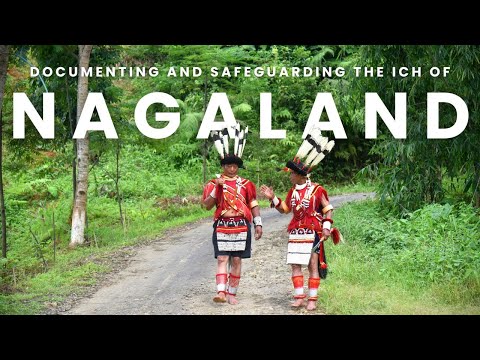
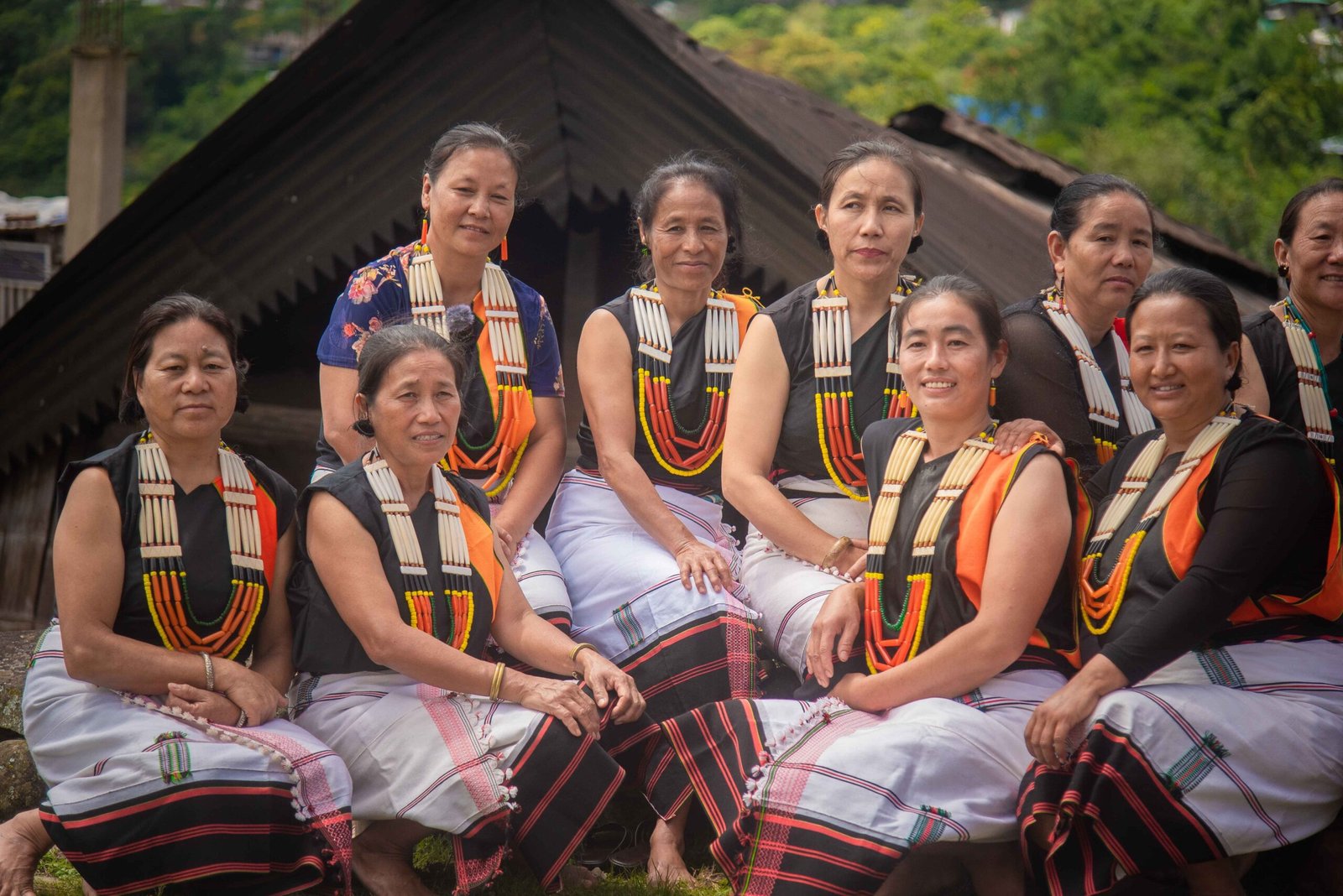
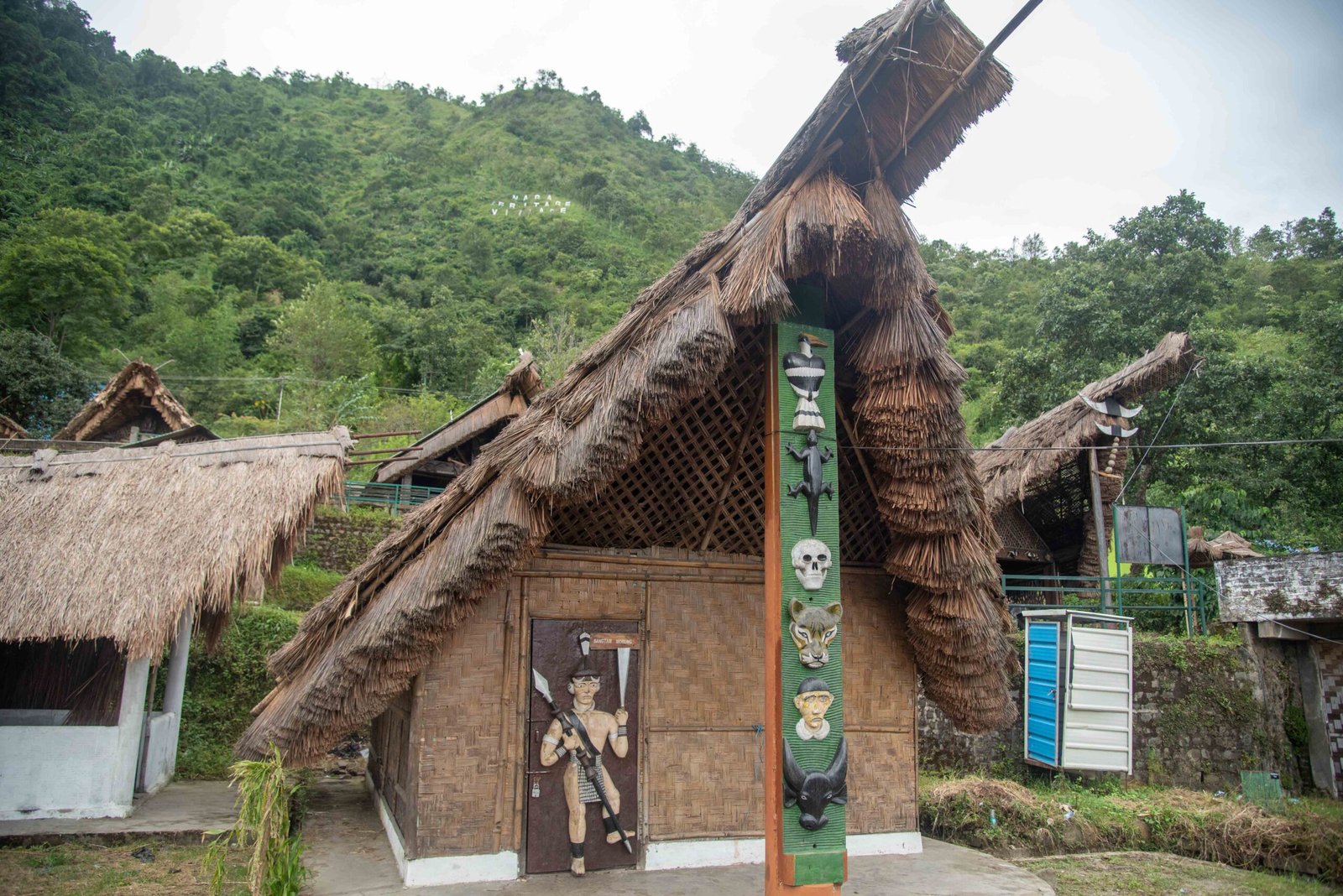
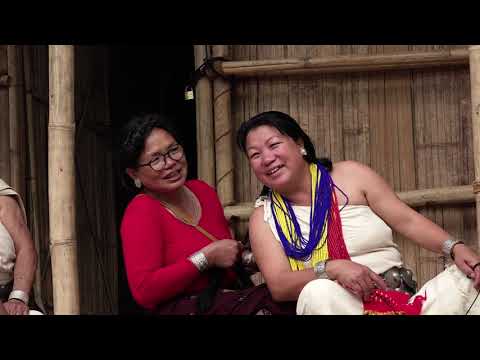
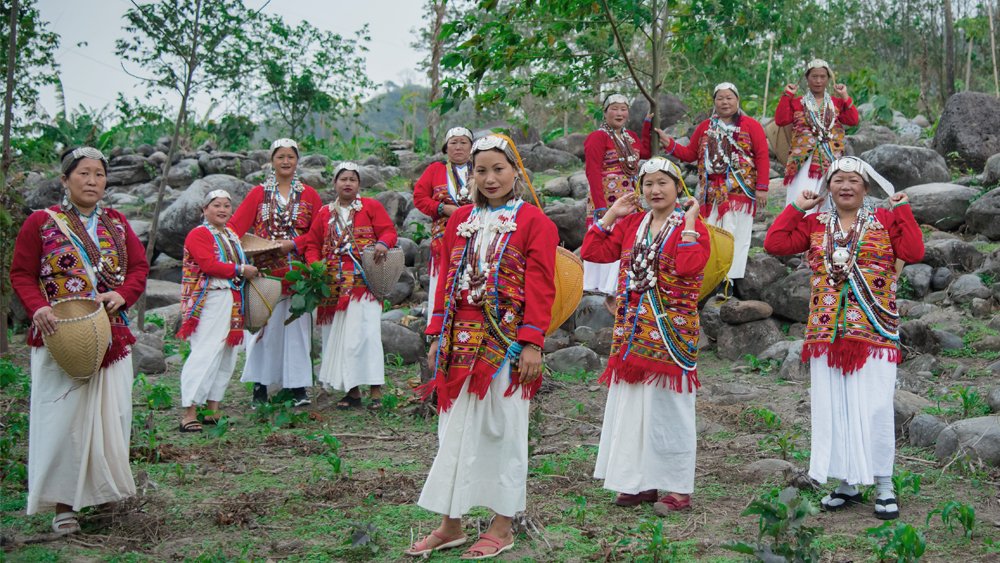
Nagaland invites travellers into a landscape shaped by rolling mountains, forested valleys, and the vibrant tribal heritage of its 17 indigenous Naga communities. Deeply connected to their natural surroundings, these communities express their identity through exquisite weaving, basketry, vernacular architecture, folk arts, music, and dance. Striking traditional attire, symbolic textiles, and distinctive culinary practices reflect stories of resilience and ancestral wisdom. The iconic Hornbill Festival, often called the “Festival of Festivals,” brings together Naga tribes in a grand celebration of culture, unity, and tradition- offering visitors a powerful glimpse into a living legacy rooted in land and community.
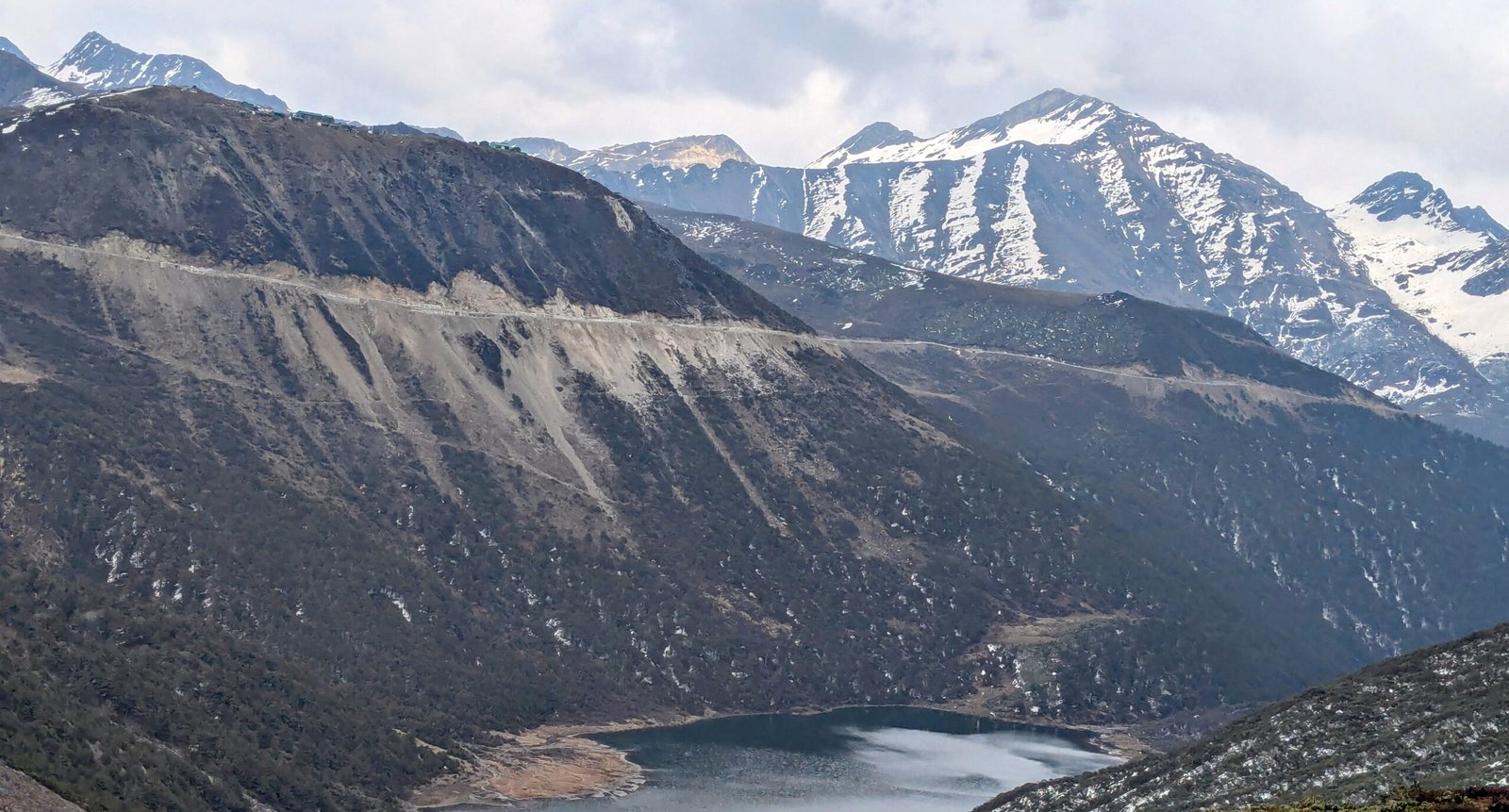
Arunachal Pradesh, the largest state in Northeast India, blends dramatic Himalayan landscapes with vibrant indigenous cultures. Home to 26 major tribes, it reflects a deep harmony between people and nature, where festivals, rituals, and oral traditions are rooted in forests and rivers. Sacred sites like Parashuram Kund and Malinithan Temple add spiritual and mythological depth. For travellers, the state offers not just scenic beauty, but an immersive experience of sustainable living and enduring cultural heritage.
Transforming villages into cultural heritage destinations
Art for Life
Art For Life (AFL) is an established community-led model for safeguarding ICH that has helped tradition bearers beget recognition and improved socio-economic condition. AFL has revitalised oral traditions, art and craft and has transformed marginalised villages into cultural destinations.
Cultural Tourism
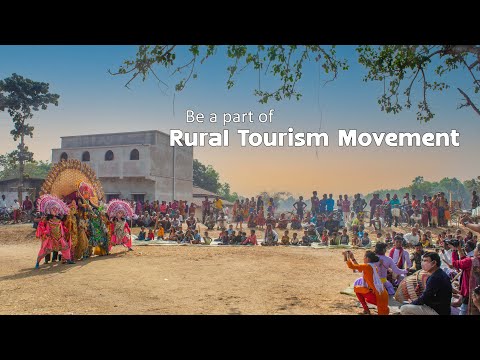
Culture is way of life. It shapes our beliefs, customs, arts, and unique identities. TourEast celebrates these subtle nuances through tours woven around living heritage. We promote rural cultural destinations across India offering an experience of heritage and rural lifestyle.
Let's Plan Your Journey
Ready to explore the unexplored? Get in touch with us and we'll help craft your perfect Eastern India adventure.